If you participated in the competition last year, what did you learn?
Last year, we weren't contestants – our co-founder, Quique Berna, had the honour of being invited as a judge. Experiencing the competition from the other side was eye-opening. By evaluating the work of top builders, we gained an even deeper appreciation for flawless finishes and strong storytelling in each project. Seeing the range of approaches with Triumph as a base reaffirmed our philosophy: true perfection lies not only in looks, but in impeccable technical execution. Serving as a judge made us even more critical and demanding with our own work, and that's something we carry forward, motivating us to step up as contenders this year, eager to channel all that expertise and high standard into a bike of our own.
How would you describe your approach to building custom motorcycles?
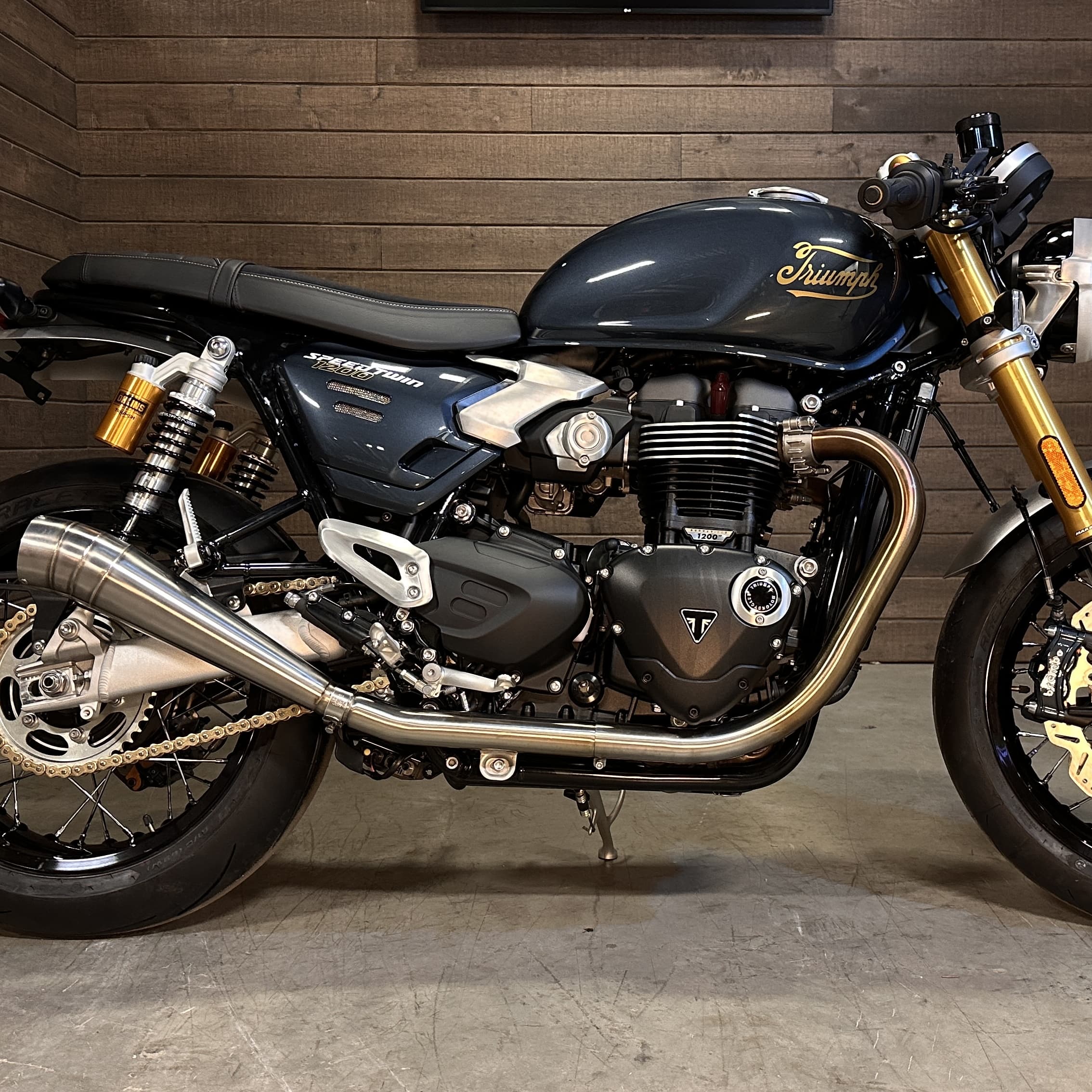
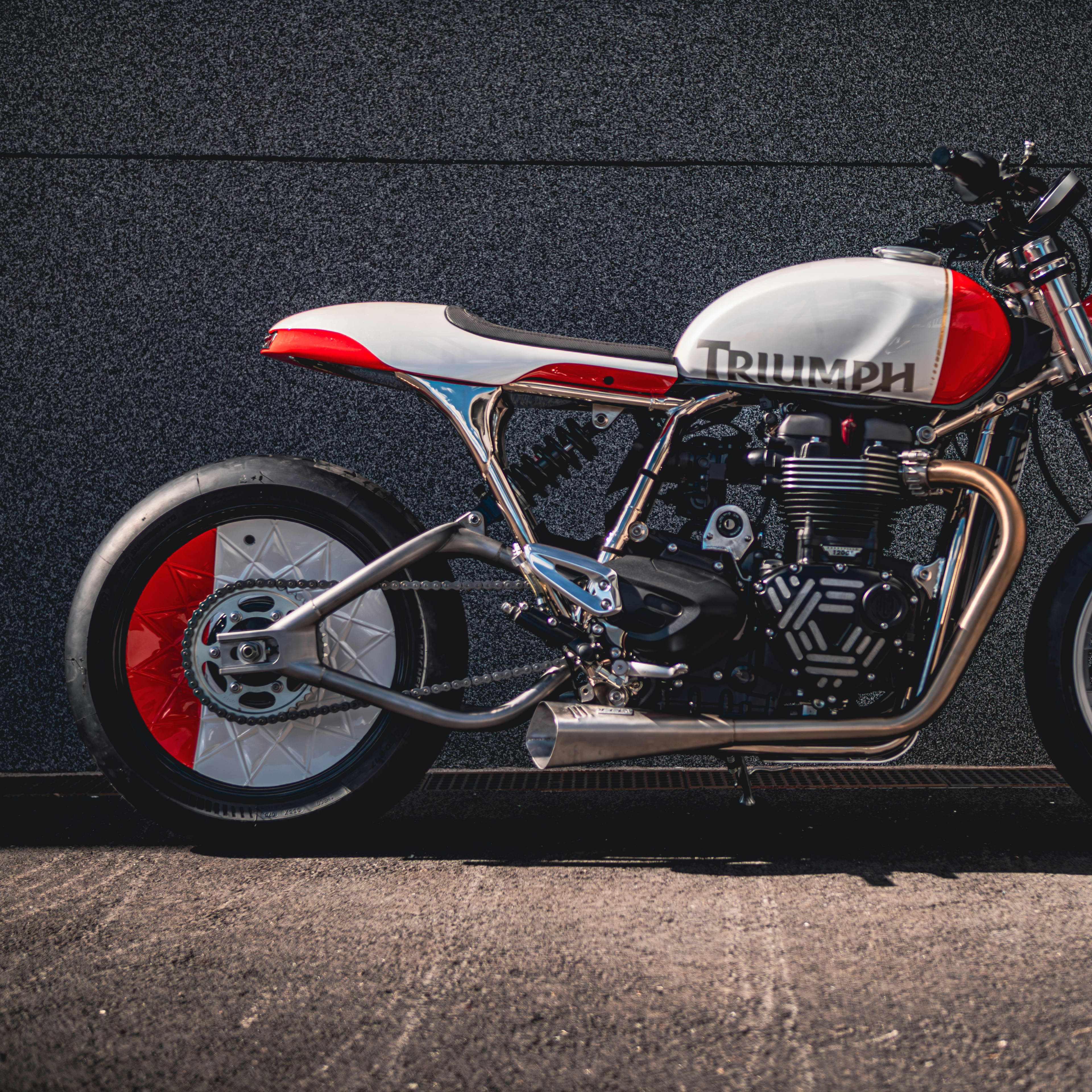
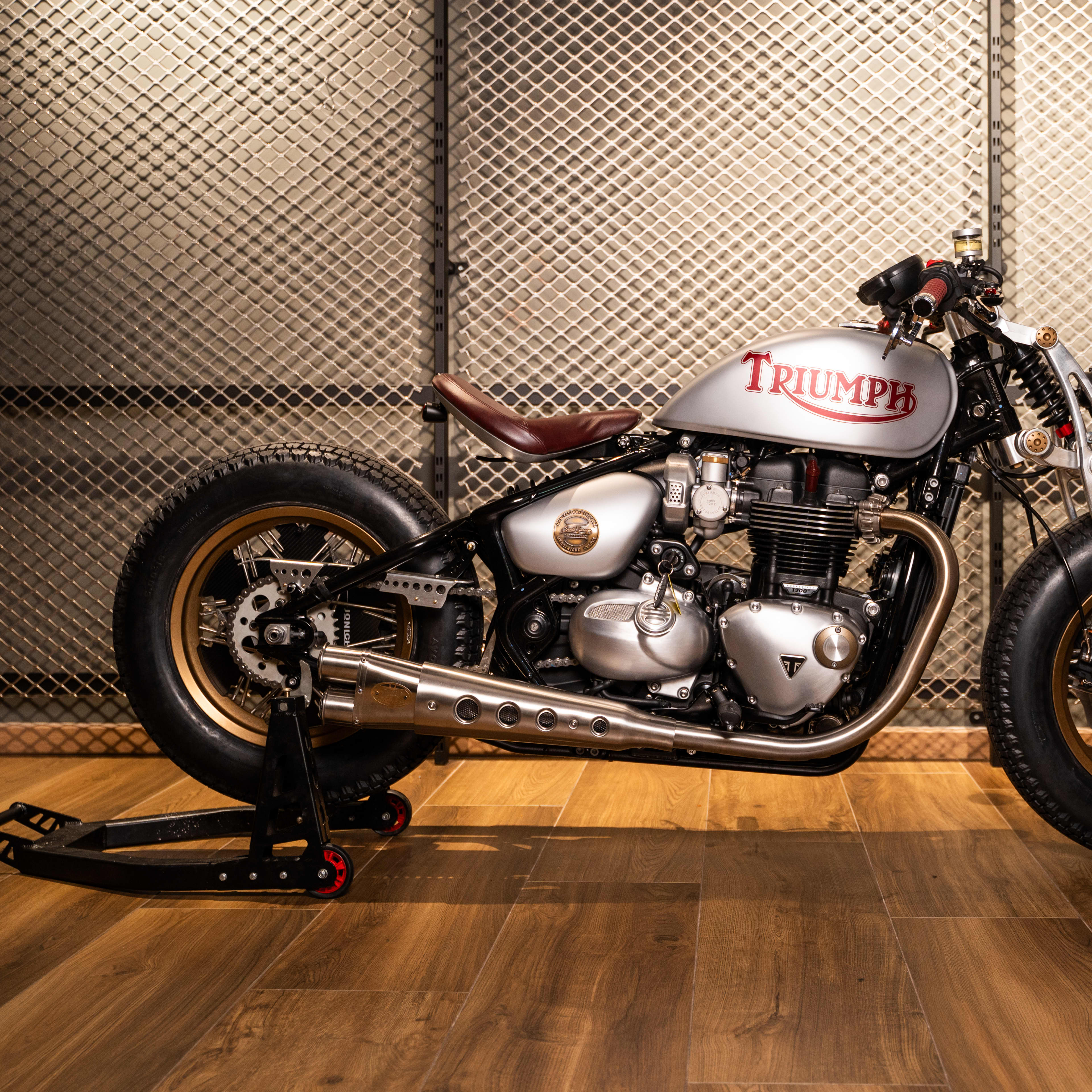
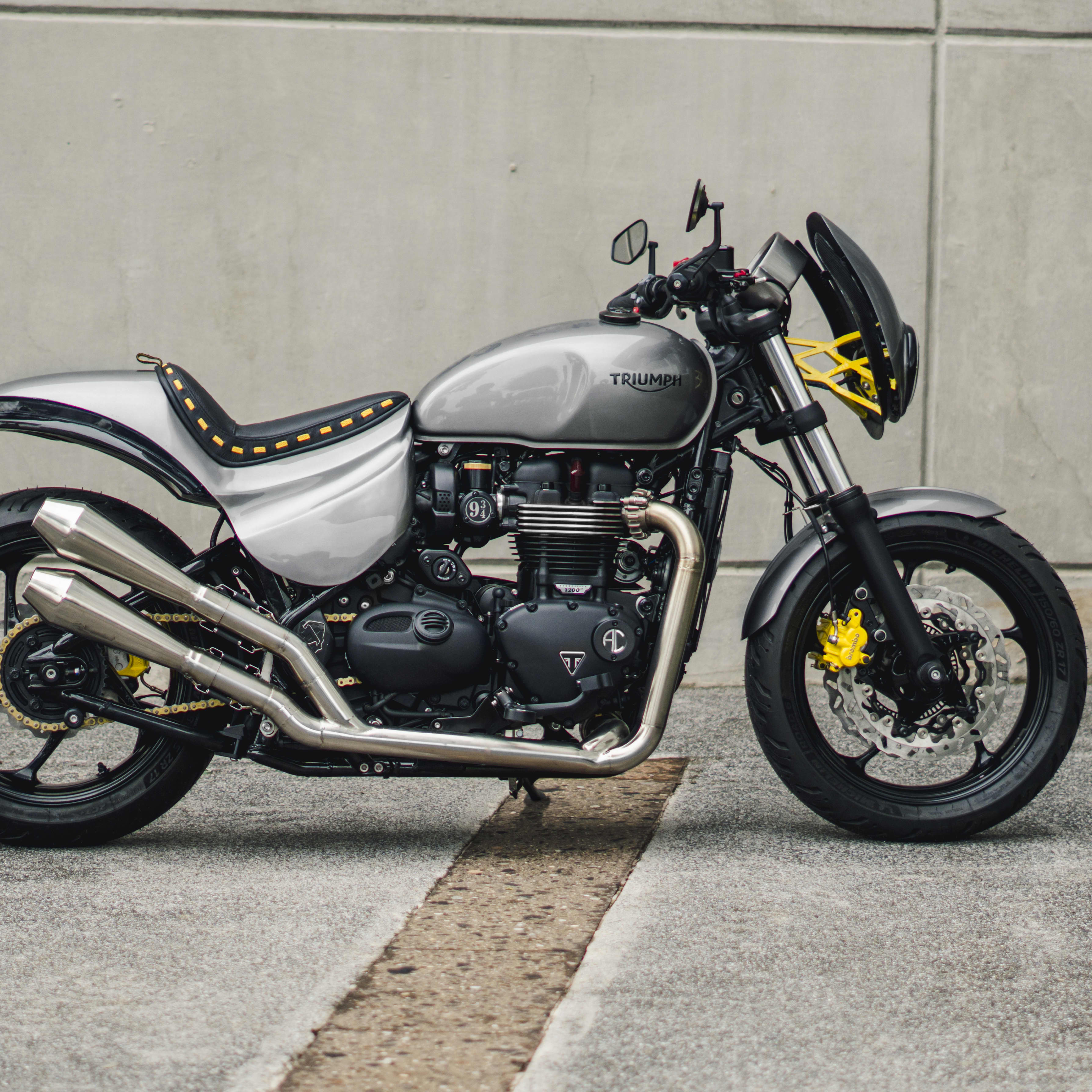
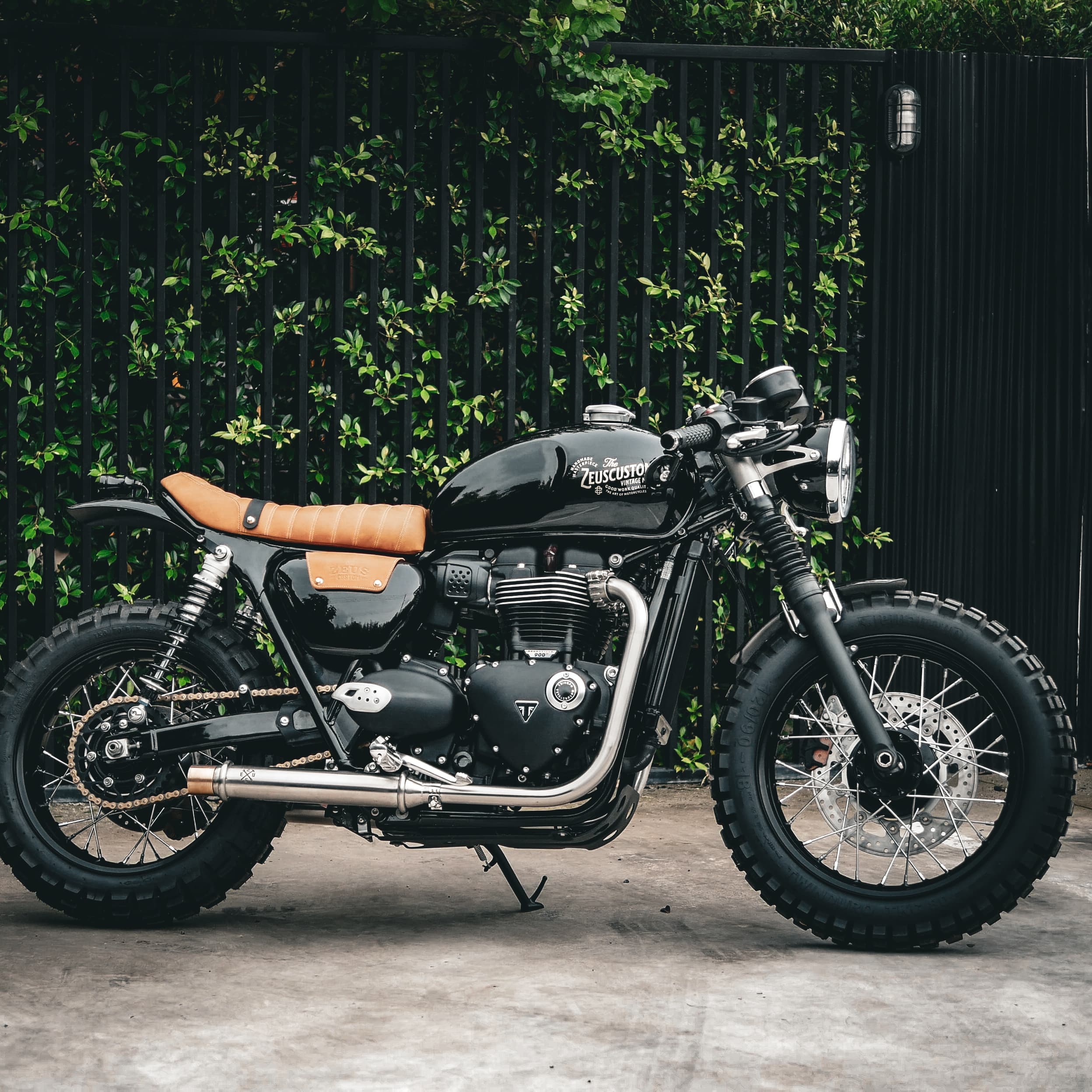
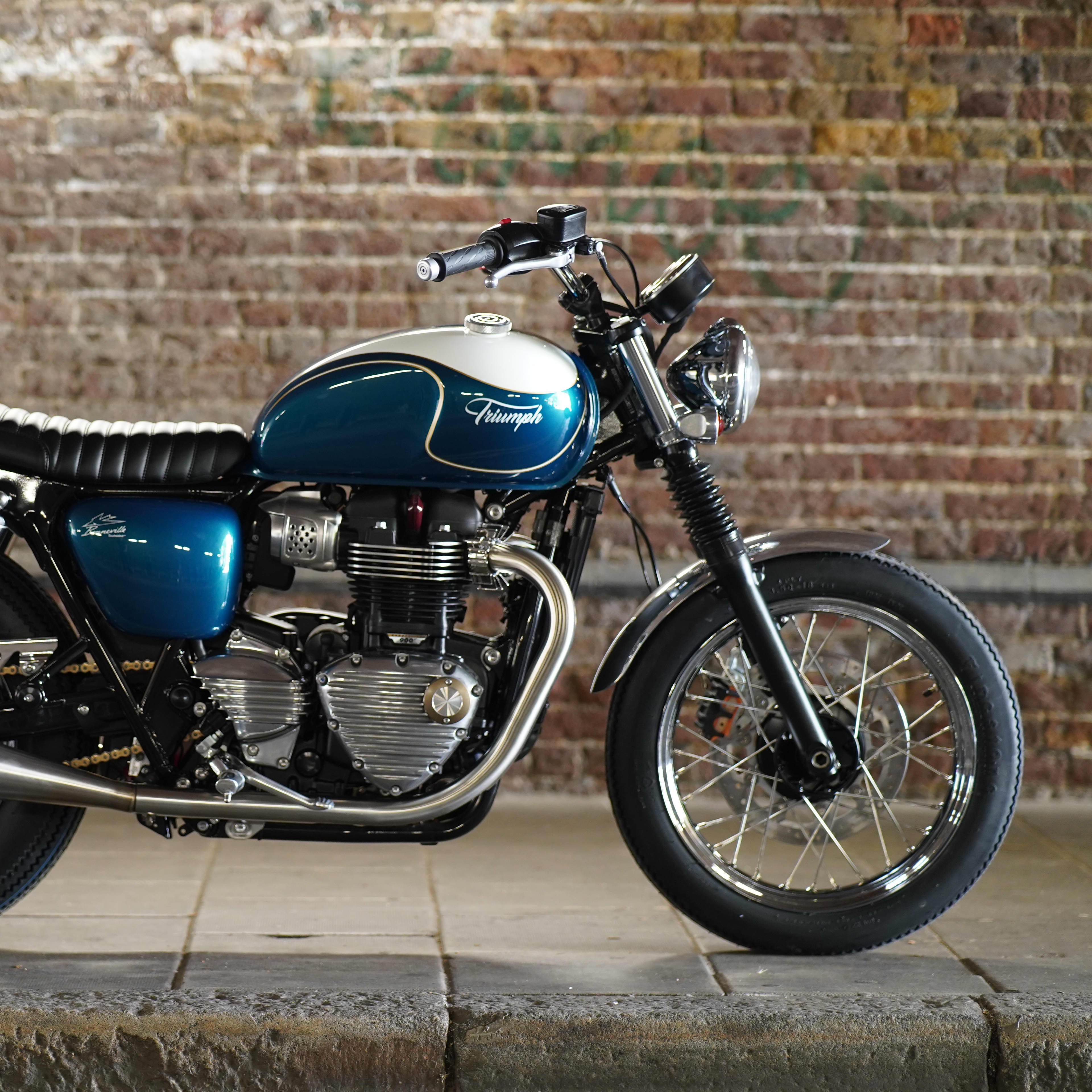
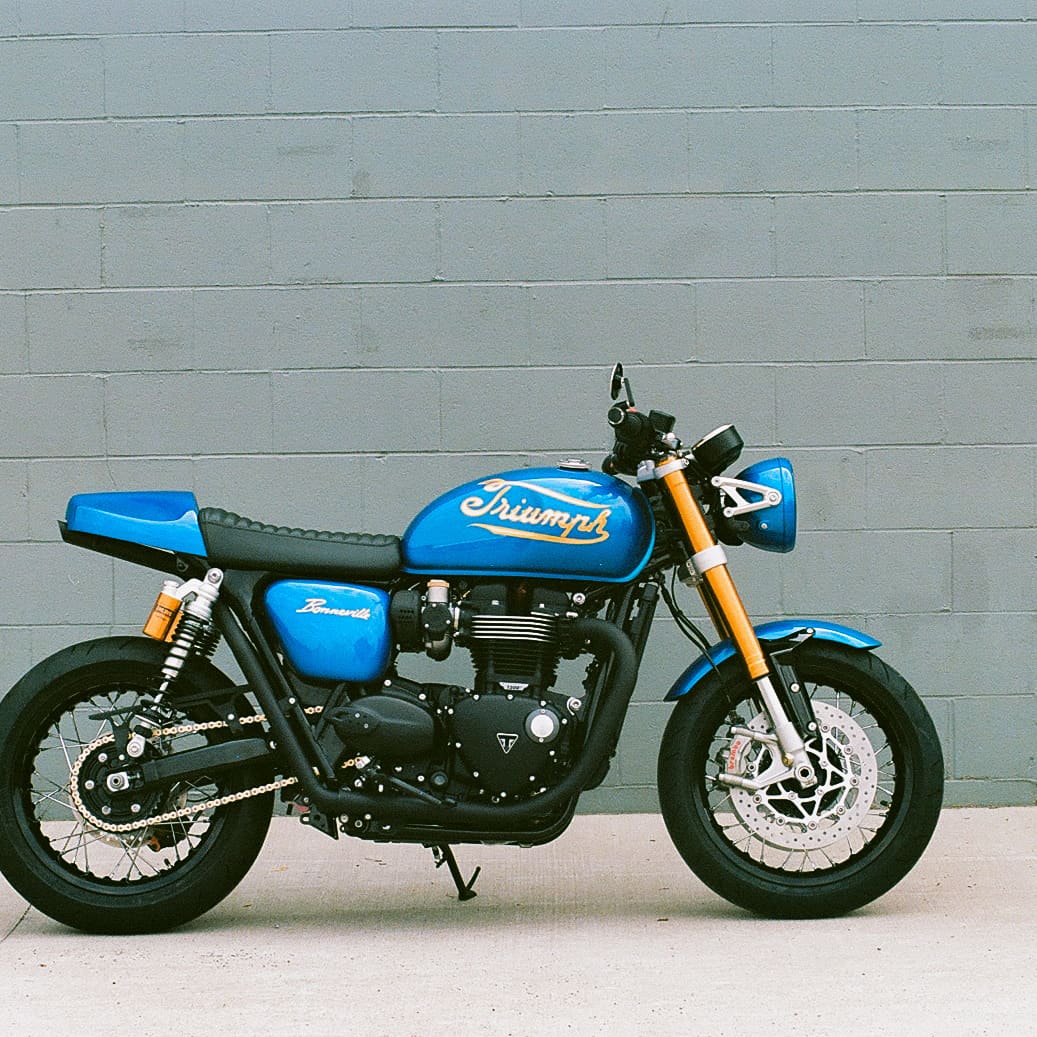
What truly sets us apart is our focus on exclusivity and specialisation. We’re the only ones who work solely with Triumph, which has given us a bold and unique brand identity. Our approach is “100% specialised and Triumph-focused.” We don’t just build bikes; we craft 30 exclusive collector’s pieces a year. By focusing solely on Triumph’s Modern Classics engine family, we know every bolt inside and out. Our method blends old-school craftsmanship with a custom accessory system we've developed, turning each bike into a functional work of art. More than just eye-catching, they're one-of-a-kind machines, each stamped with its own name and serial number to certify it as a truly unique piece.
What influences and inspires your approach to design and craftsmanship?
Our biggest source of inspiration comes from classic British heritage blended with the laid-back Mediterranean lifestyle here in Alicante, Spain. We’re drawn to the motorcycles of the '50s, '60s, and '70s, but also high fashion, luxury industrial design, and art. We want the bike to look like it just rolled out of a time capsule, but with today’s cutting-edge technology and craftsmanship.
What was your first reaction when you saw the “Time Capsule” design brief?
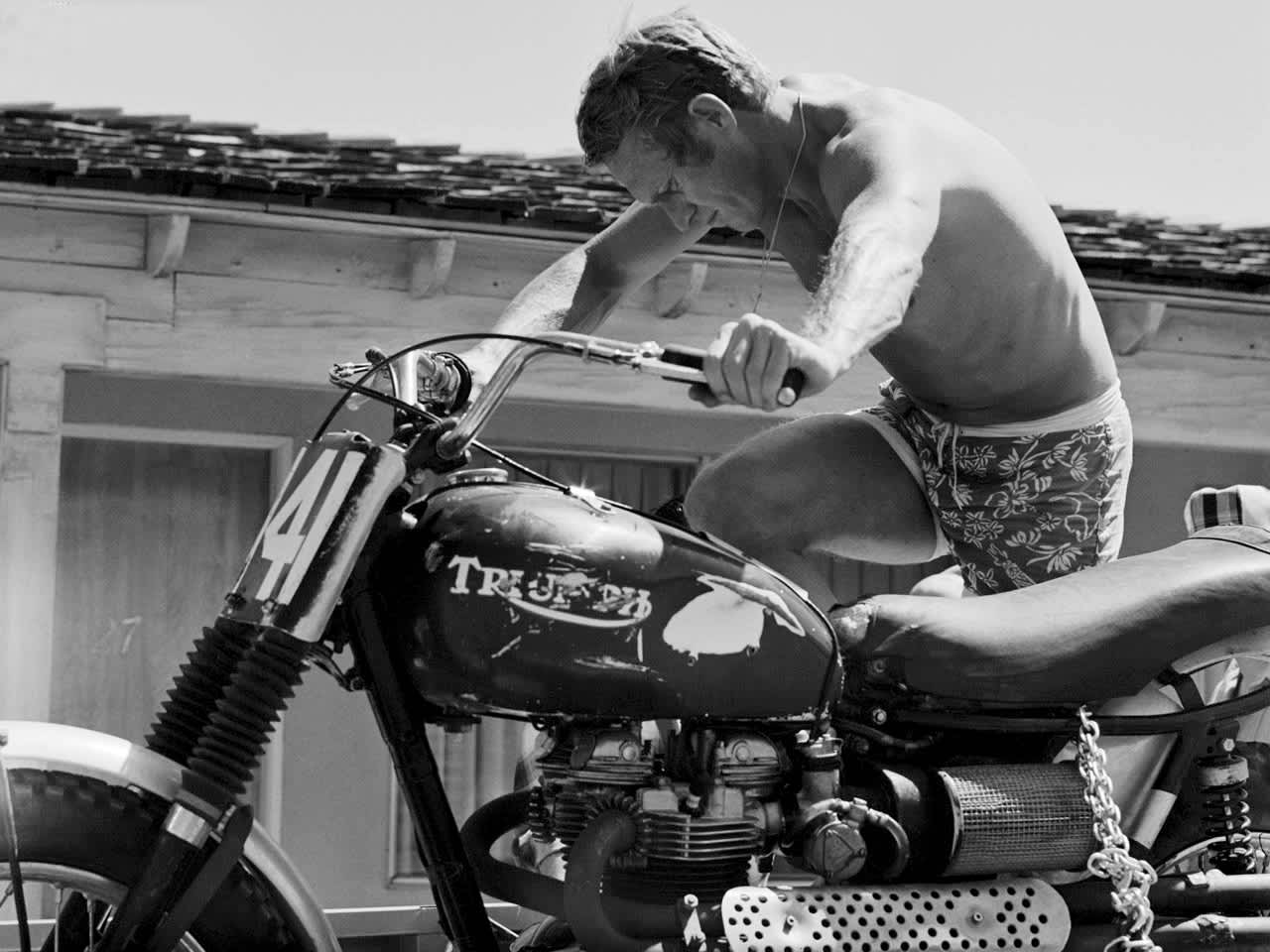
It was amazing. For us, a “time capsule” is Tamarit. Triumph’s neo-classic range is timeless – it doesn’t matter if it’s Steve McQueen’s Bonneville or David Beckham’s. Calling it a time capsule is spot on, because these bikes endure for decades, as if their essence gets frozen and reawakened years later. That’s rare among motorcycle brands; most lose their identity when they expand. Neo-classic Triumphs are a time capsule, and so is a Tamarit bike.
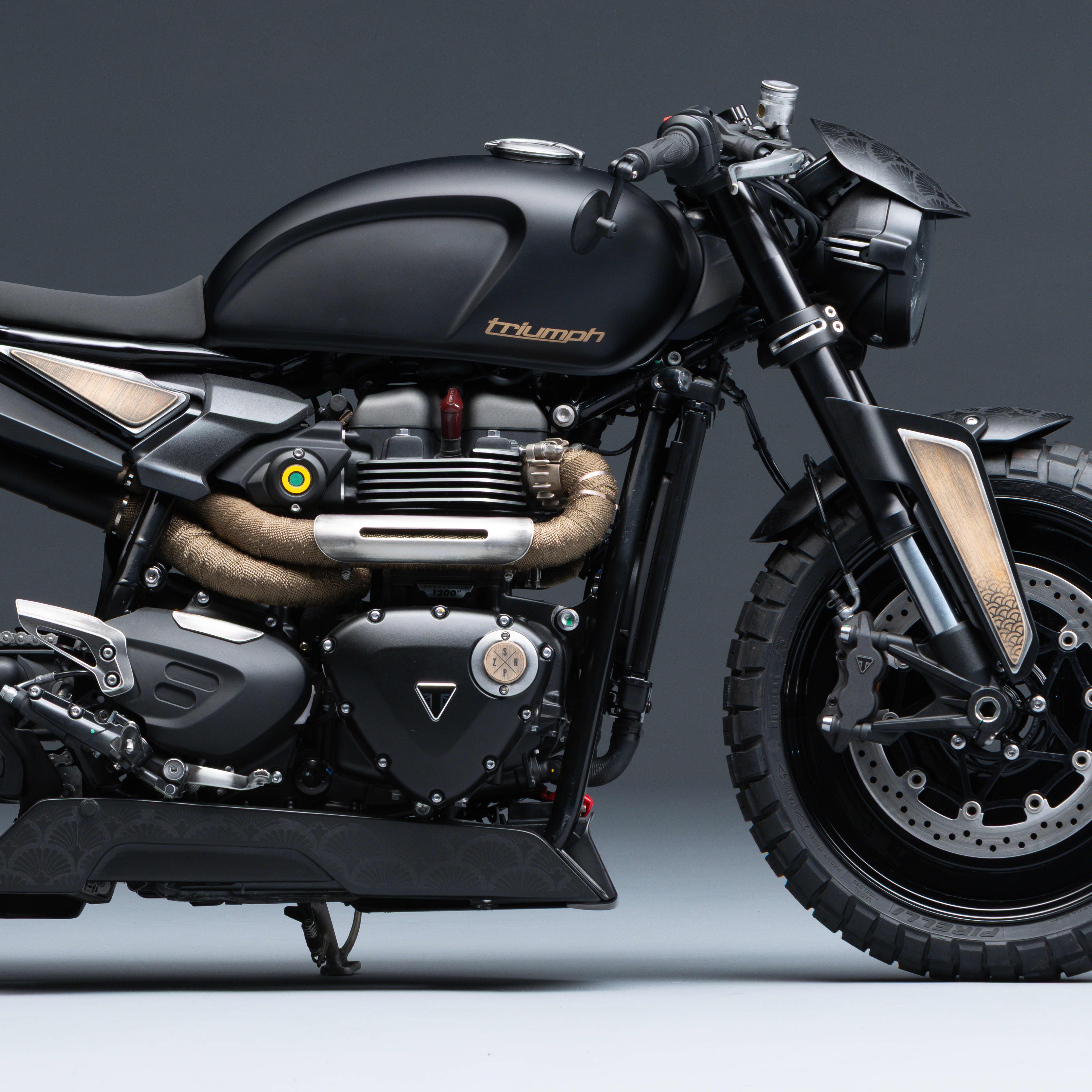
What are the key ideas behind your custom Scrambler for this competition?
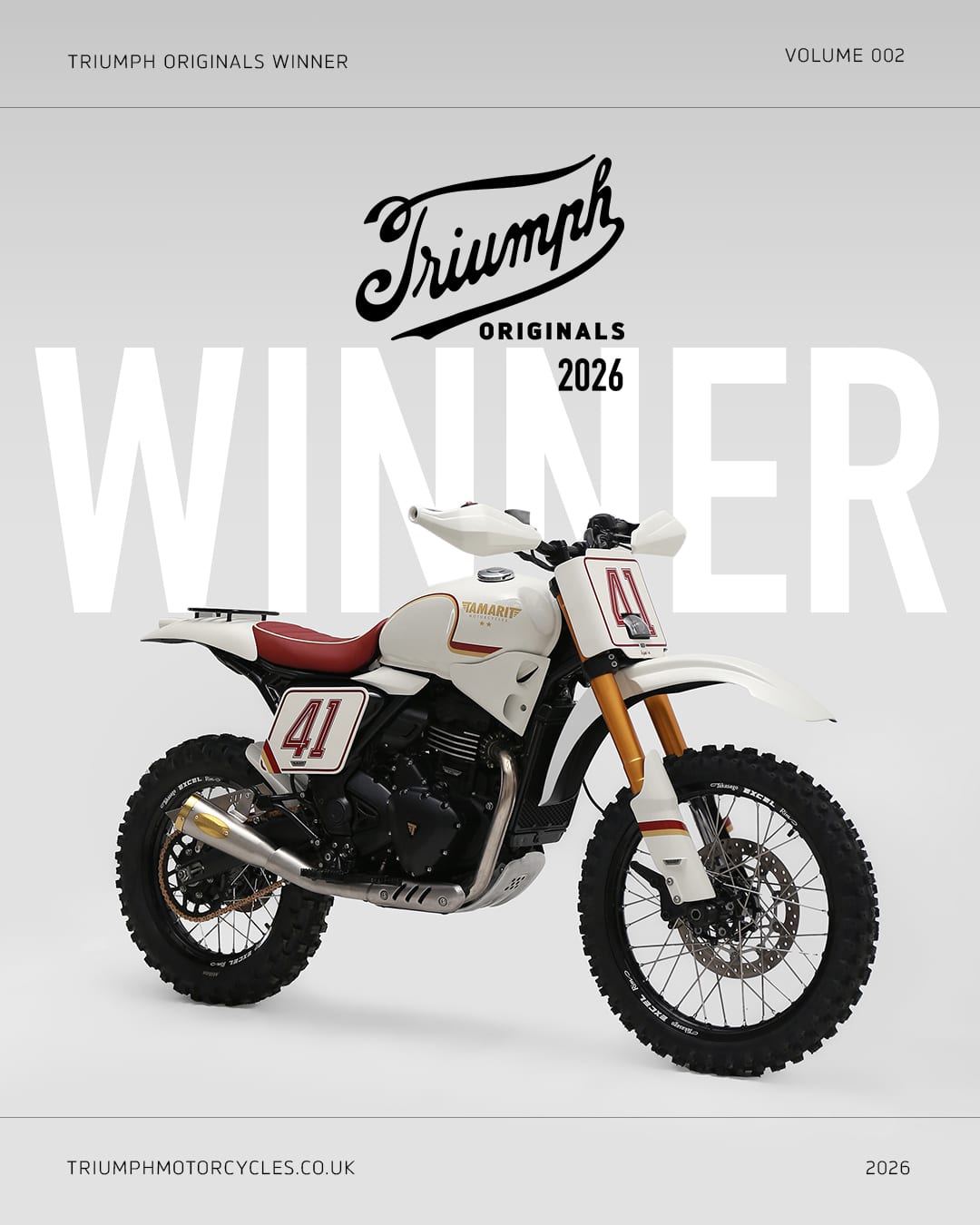
The main concept is a duality between past and present, between an older and a younger rider, and how the legacy we pass on remains untouchable and eternal. The idea is to see two bikes within one: from different eras, with different perspectives, but united in the same machine. We took a lot of inspiration from the 1980s, with a healthy dose of the '60s thrown in as well. Defining moments in history happened then – it was the dawn of true freedom.
What’s your favourite part of the build process, and why?
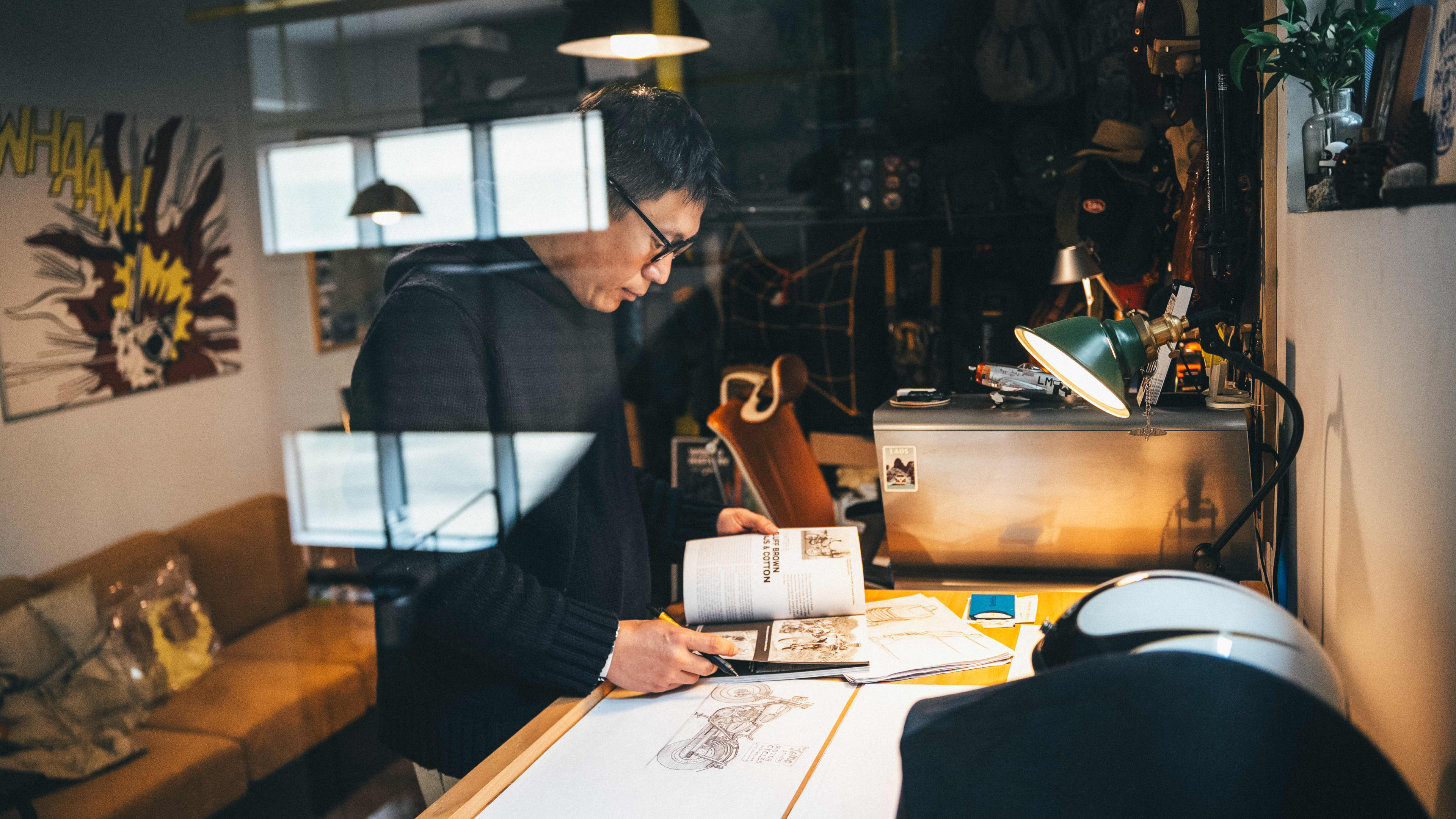
Without a doubt, it’s the unveiling. The design phase is pure magic – it's when abstract ideas and a client’s dreams start taking shape as a unique sketch. But nothing tops the handover: seeing the owner’s face light up when they lay eyes on their finished “gem” for the first time is what makes all those hours of hands-on work worthwhile. That’s the moment when the bike stops being just a project and comes to life. We don’t show clients the steps along the way – they see a drawing, and then they see a finished motorcycle. That reveal… it’s everything. We make it so special, we deliver the bikes in person: we’ve even travelled to Wisconsin, USA, to hand the keys to the owner ourselves.
If you had to sum up your style in three words, what would they be?
Elegance, exclusivity, and heritage. (Our goal is for every bike to be truly sophisticated – no two are alike, and each one always honours Triumph’s classic DNA.) We’re not fans of trends; we build for the long haul. Just think of a white t-shirt – it’s timeless now, and it’ll still be timeless in 20 years. There are thousands of Triumph customisations out there – many don’t look like Triumphs anymore. For us, that’s never the point. We want to enhance what’s already there. After all, what’s the point of pretending to be someone you’re not?